
HVAC
HVAC Teardown
Where HVAC companies lose booked jobs: map pack position, after-hours call capture, and seasonal ad waste.
See the HVAC playbookDigital Marketing Coach
From HVAC and plumbing to garage door, electrical, and landscaping — I help home service owners stop guessing with their marketing and build a clear plan for growth.
Specializing in HVAC, plumbing, electrical, roofing, landscaping, garage door — and local service businesses.
Sound Familiar?
You're spending real money on websites, SEO, and ads, and you can't tell what's actually producing leads and what's just lighting cash on fire.
Reports look busy. Promises sound smart. But you can't tell if the agency, the ads, or your website is the problem, and asking questions makes you feel like the dumb one.
A real home service business shouldn't depend on a vendor nobody on your team can hold accountable. You should be able to see your marketing, understand it, and control it.
No one knows if the call was answered, if the estimate was sent, or if the job was closed. Money walks out the door between the click and the booked job.
They have 3x the reviews and show up in the top 3 pack while you're buried on page two. Every day that gap widens, you lose the jobs in your own town.
The agency shows click counts and impressions. You see the credit card bill. Nobody can tell you which dollar turned into a booked job.
It loads slow, doesn't mention the services you actually sell, and sends people to a contact form nobody checks. It's a brochure, not a lead machine.
There's no system to follow up, no reminder to call back, no way to know who's hot and who's cold. You're relying on memory and luck.
The site, the ads, the content — it all lives with a vendor. Walk away and you start from zero. You deserve assets that travel with you.
You don't need another confusing pitch. You need a coach who can show you what's broken and teach you how to own the fix.
Which path is right for you?
Every path starts with the same $497 Marketing Audit, so you know exactly what you're fixing before you spend another dollar. Then you choose the level of support that fits your business.
For hands-on owners who want to learn at their own pace. Templates, training, and checklists. Cancel anytime.
Explore DIYInstall the Insourced Marketing Blueprint with your team. Choose Standard, Fast Track, or Enterprise delivery.
Build In-HouseFor owners who want it handled. My team implements your audit roadmap — SEO, Google Ads, content, email, reporting. Audit required.
Have Us Run ItWant the numbers side by side? See full pricing · Read client stories
Stop guessing.
Start with the $497 Marketing Audit — get a clear diagnosis, a real plan, and the exact next step to fix what's leaking.

About Chris
I've spent 25+ years in digital marketing and 18 years in construction. That mix lets me translate strategy into practical decisions for plumbers, roofers, HVAC companies, garage door businesses, and contractors. Today my focus is helping home-service owners understand what is working, what is wasting money, and what to do next.
Key Marketing Credentials
Free Scorecard
Answer 25 questions and get a free score across five marketing categories.
HVAC
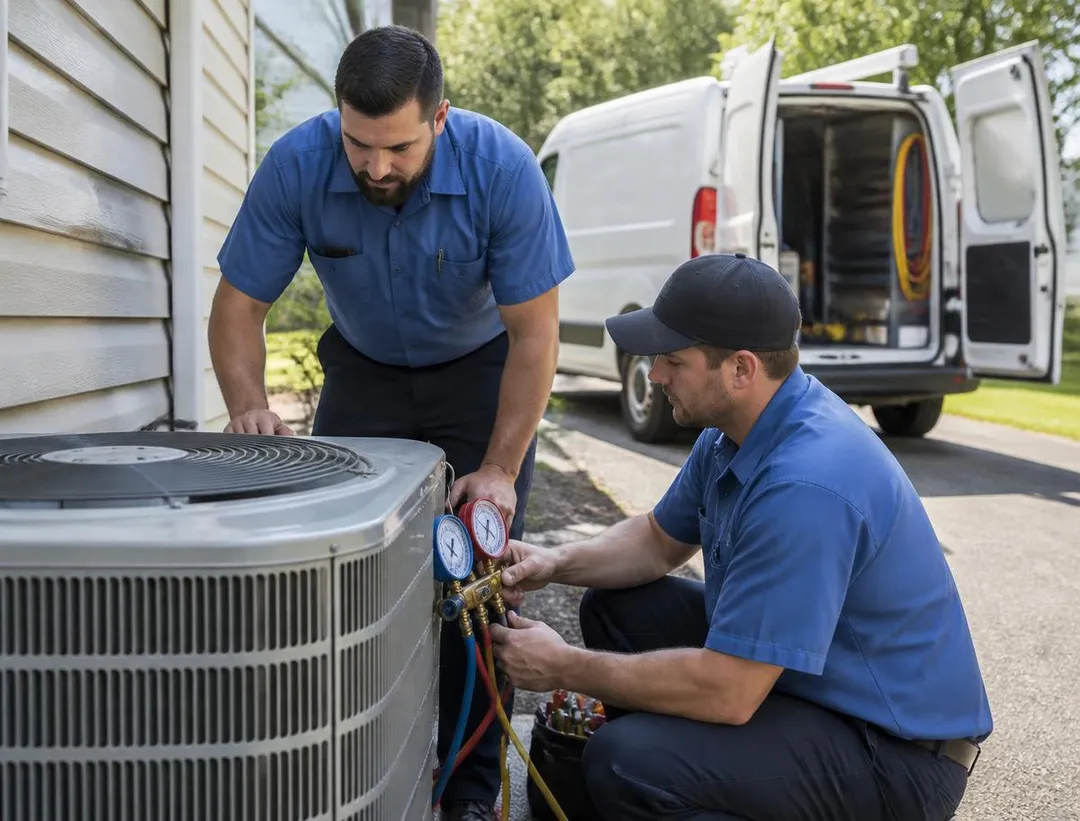
Service teams keeping the schedule full year-round
Contractors, roofers, plumbers, HVAC, electricians, landscapers, cleaners, remodelers, pest control, real estate service providers — if your business runs on calls, estimates, and booked jobs, this is for you.
If this sounds like you, the audit is your first step.
Industries We Serve
Pick your industry to see the exact playbook for getting more calls and booked jobs.
Don't see your trade? Get in touch →
Teardowns
A quick look at what the $497 Marketing Audit digs into for HVAC, plumbing, and roofing companies — then you get the same treatment on your own business.
HVAC
Where HVAC companies lose booked jobs: map pack position, after-hours call capture, and seasonal ad waste.
See the HVAC playbookPlumbing
Why the emergency call goes to someone else: slow speed-to-lead, thin reviews, and shared-lead dependence.
See the Plumbing playbookRoofing
How retail roofs get lost: estimate follow-up that stops, storm-only demand, and no local map presence.
See the Roofing playbookFinally get real help
From auditing your marketing to DIY help, employee training, or having Chris and his team do the work, share what your company needs and get the right plan and straightforward pricing.
Client Results
“Chris is the real deal. He doesn't just teach marketing — he teaches you how to think about your business. The clarity I got in one session with him was worth more than years of agency retainers.”

Steve D.
Business Owner
“Working with Chris transformed how we approach our marketing. He gave us a roadmap we could actually follow.”
Tahan C.
Business Owner
“Chris cuts through the noise. Practical, honest, and the strategies actually move the needle.”
Andrew U.
Business Owner
“I finally understand my own marketing. Chris empowers you instead of keeping you dependent.”
Anna W.
Business Owner
“The Insourced Marketing Blueprint changed everything for our business. Best decision we made this year.”
Maira E.
Business Owner

Take control of your digital marketing and grow your business without the guesswork. This step-by-step guide covers the essentials of online marketing — empowering you to build a strong, results-driven strategy for your business.
Buy on AmazonNew · Free Interactive Training
Drag a slider across real home service examples — websites, Google Ads, map listings, social posts, AI content, and reviews — and see exactly why one version books jobs and the other doesn't.
Free Training
Watch, listen, or read. Same coaching, organized by topic so you can fix the thing that's actually costing you jobs.
Your next step
A personalized video audit of your real marketing, plus a 90-day roadmap of exactly what to fix first. Most owners recover the cost in the first month.
Chris records every audit personally.
One short email a week: what's moving the needle for home-service companies right now — plays you can run yourself. No fluff, no spam, unsubscribe anytime.
Offer three options on every estimate
Good, better, best. Average ticket rises without a single extra lead.
Sales
Prefer to browse first? Start with the free training.